

Updating a room usually starts with a fresh coat of paint, but smart lighting systems actually change the whole vibe with just a single tap.
These bulbs use a home network to receive commands, so the days of walking across a dark room to find a lamp are long gone. Following a smart lighting guide makes it easy to see that most bulbs just need a quick sync to an app to start working.
Many people picking out smart home lighting 2025 options are looking for ways to make their houses feel safer when they are away on vacation. These connected lighting solutions can be set to turn on and off at random times, making it look like the house is full of people.
Since these bulbs are mostly LEDs, they tend to use very little power even if they stay on all night. It helps to start with just one or two rooms to see how the automation fits into a busy daily routine.
What is a Smart Lighting System?
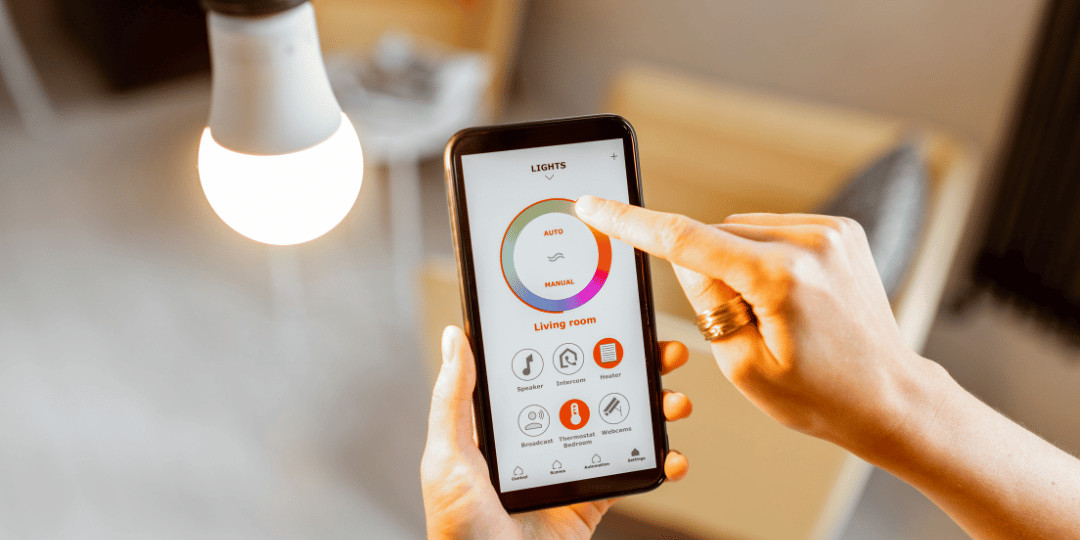
Even though light switches have been around for over a century, they’re finally getting a much-needed upgrade, which is smart lighting. Smart lighting is simply about controlling the lights in your home wirelessly through an app or a sensor. This means that your phone can become a remote for every lamp in the house, even when you’re sitting miles away at the office.
For many homeowners, smart home lighting has become the easiest way to start making their living space feel more modern. Using an intelligent lighting system means that your house starts to feel like it has a mind of its own in the best way possible. Many of these setups make use of very small computer chips that have been placed inside the bulbs to receive your commands and execute the tasks.
Incorporating these automated lighting solutions into your space means that your hallways can always be lit even when you’re out for late-night snacks. One very cool feature of smart lighting is how they are able to blend naturally into your regular daily routine.
At a time when the sun is shining brightly, the sensors can easily signal to the indoor lights to dim down to save some dollars on the electrical bills. What makes it even better is that most of the bulbs are long-lasting LEDs. And this means they can stay bright for a lot of years without needing to be replaced. Smart lighting is a small change that can make a huge difference in how your space feels, especially at night.
How Smart Lighting Works
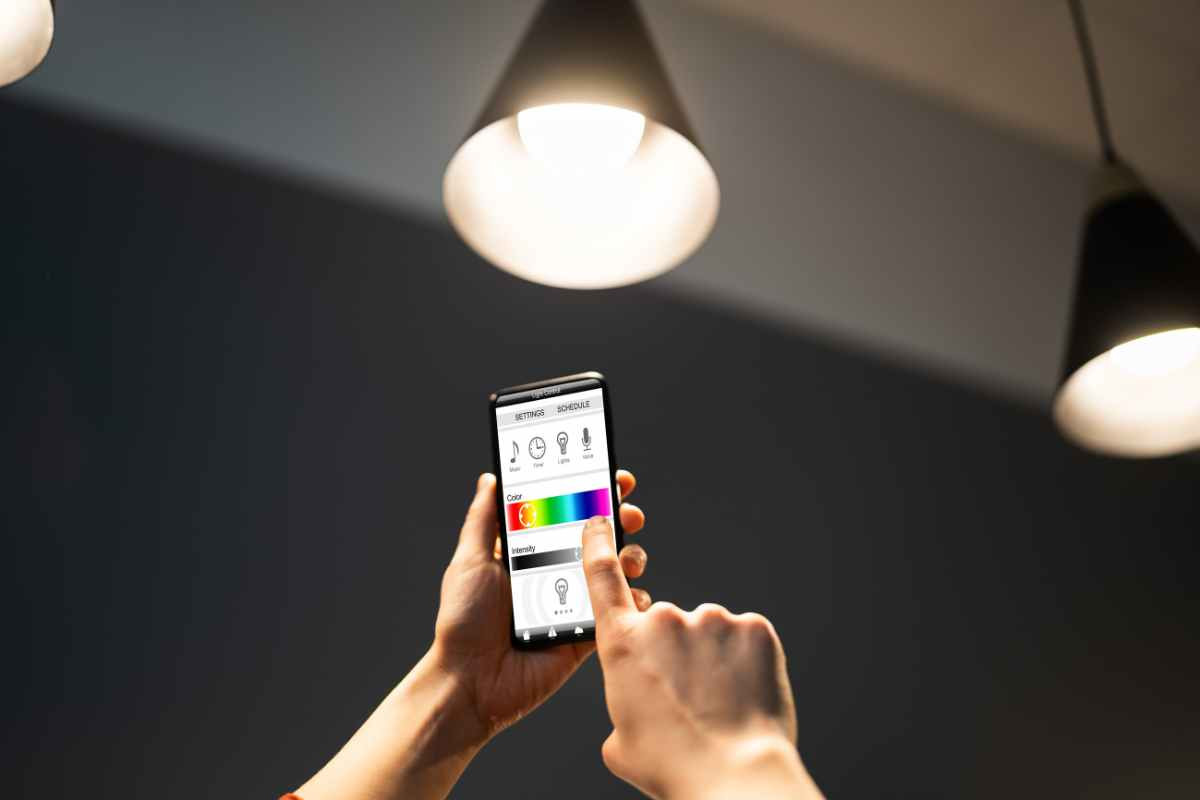
All the radio and controllers are meant to do is help with the interpretation of commands that are received. This is the simple foundation on which smart lights are built. And this control usually happens either through the cloud or locally. The specific protocol you choose determines a lot, including the range, the power use, and the number of devices that your home will be able to handle at a time.
Most people find it difficult to choose between WiFi or ZigBee, and really, the decision just comes down to point-to-router control compared to a coordinator that builds a mesh. The beauty of having Wi-Fi bulbs in your home is that they are able to connect straight to your home network, and this helps to keep the installation as simple as possible in your space.
However, when it comes to ZigBee, it tends to spread out the traffic by making use of neighboring nodes, and this allows the signals to hop around walls. The Z-Wave lighting system also takes advantage of a similar mesh idea. So what it does is that it makes use of a lower frequency radio that travels very well indoors while a hub takes care of the routes and security.
As more always-powered devices become repeaters, you’ll notice that the mesh reliability usually gets better. If you are planning to use smart lighting in a single room or on a small desk, you can take advantage of Bluetooth smart bulbs. They allow you to quickly pair and control them from your phone without you needing to buy any additional hardware.
For routines that you would expect to continue running even when there are internet downtimes, then local control is the best option. However, on days when you may have to travel, then cloud links can provide you with easy remote access.
Best Smart Bulbs for 2025

Caption: Count on Philips Hue to be one of the best smart bulbs for any lighting setup.
The best smart bulbs are usually those that are able to pair quickly, hold automations, and respond instantly to you. Matter plays a very important role in unifying the control across different platforms and supporting local actions.
If you are putting together a modern setup, it means that you can bring together Thread and WiFi so that they can easily fit together under one Matter umbrella. What this simply means is that your lamps and accent lights will be able to follow the exact same schedules. With this in mind, you have to look out for product pages that least Matter supports plus Thread or WiFi.
Wi-Fi bulbs usually work well where there is an already established solid signal, while Mesh bulbs usually shine very well in very large apartments because each device is able to extend the network.
If you want to go for a safe pick in your home, then it’s a good idea to opt for a mature bridge ecosystem that comes with growing Matter support. One very obvious choice here is Philips Hue. If you are one of those who prefers to go for fewer boxes, then choose Wi-Fi lines that allow you to enjoy multi-admin control under Matter.
This sits well with LIFX where hub-free operation has been a major calling card and new releases usually allow for broader compatibility. Don’t forget that you should go through a smart LED bulb review before you make a final decision.
Smart Light Switches & Dimmers
A smart light switch usually provides the familiar on and off at the wall, and then goes further to fit in schedules, scenes and remote control without affecting how your guests like to operate the light. During the installation of smart lights, it is important that standard wiring practices are followed, and it should usually take place in the existing box.
Usually, the smart switch is mounted where the old switch was placed before, and this helps to keep the local access while also allowing automations to take care of other routines. The models are usually known to vary based on wiring needs, so you should check the run for neutral and ground ahead of time so that your installation can go as smoothly as possible.
To get the best results with a smart dimmer switch, you should use it with bulbs that are labeled “dimmable.” It is also important that you verify and ensure the smart dimmer compatibility. Also test out a few lamps in the actual fixture. This is a great way to confirm the behavior before you go ahead to outfit the entire room.
Your hallways often need control from more than one location. Three-way or four-way circuits can be kept intact by pairing the smart control with a compatible secondary control or by reworking the travelers per the wiring diagram. Smart bulbs always need a different tactic compared to standard lamps.
Some conflicts can arise when smart bulbs are subjected to hard dimming, so there are many systems that help to keep the power constant and allow the switch to send digital commands for level changes. Always go for a gear that fits the wiring and then match the bulbs to the control, and don’t forget to keep the scenes as simple as possible.
Smart Lighting Kits & Ecosystems
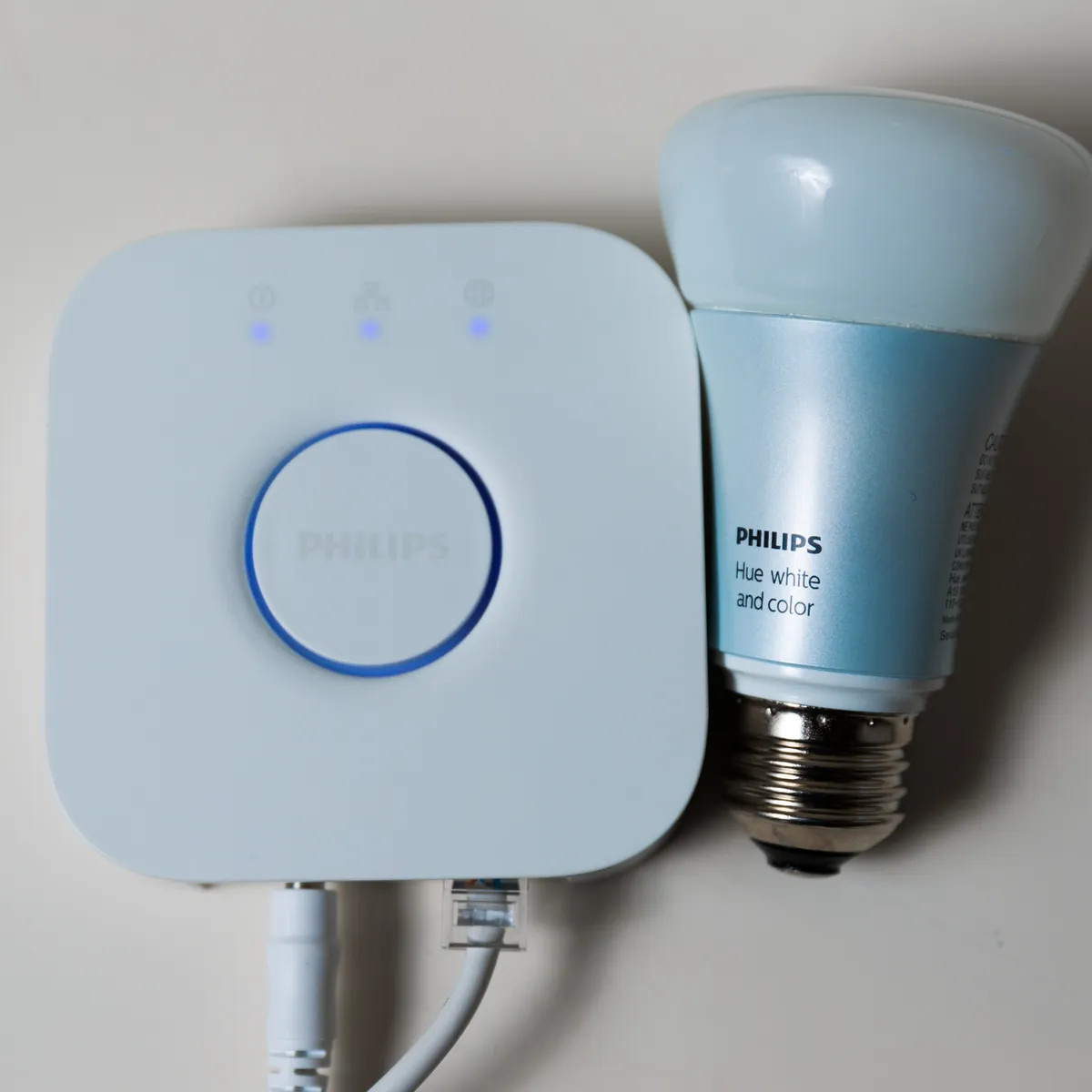
Caption: Get all your lights on the same page with a simple smart lighting kit.
A smart lighting starter kit brings all the basics together in one box, by pairing bulbs to either a controller or to Bluetooth on a phone so that a first room comes online quickly with dimming, timers, and simple scenes. Kits that are bridge-based help to build a mesh that ensures your lights remain responsive across your rooms, while bulbs that are phone-paired are more suited to smaller layouts where range needs are modest.
A solid smart lighting ecosystem groups the fixtures together based on activity, gives one button the ability to change multiple lamps, and supports low-power mesh radios for stability alongside Wi-Fi for tasks that are heavier. Interoperability standards assist in cutting down on app juggling, so that a favorite scene that you have can live in more than one controller without having to be rebuilt every time your household upgrades a device. 
If you are a beginner starting out with smart lighting, it is best to build routines that actually solve real moments. To shake off grogginess without a blast of brightness, it is best to have morning light that ramps up. An evening preset that has warmer tones cues downtime and combines well with a lamp close to the sofa. On days when you return late, the entryway or hallway lights that are on a gentle schedule can make you feel a lot safer.
As your home continues to evolve, try your best to keep scenes tidy and names clear, and cut down on extras that never get used.
Cost & Energy Savings of Smart Lighting
Cutting down your lighting costs does not need a complicated setup. All you need are just a few choices that put your control on autopilot. Go for efficient sources first, then layer your schedules, sensors, and dimming. Comparing smart bulbs and LEDs can be a bit confusing since most smart bulbs are actually LED, and combining that efficiency with controls is what really moves the needle.
Your routines will feel a lot more natural when the room brightens only in the places where activity happens and fade out when the task ends. Dimmers help to tailor the output to the moment, which helps to reduce demand and can extend the useful life for certain lamps. 
Daylight-aware control cuts off excess on bright afternoons without anyone having to lift a finger. Going for smart bulbs that are energy-efficient gives every scene a head start, so that your schedules and sensors do not fight an inefficient baseline. A renter in a studio can even set a quiet evening scene that cuts down on the living room light. Having clear and simple names on scenes ensures that guests and kids use them the same way, which keeps the savings consistent month to month. 
Automation that combines scheduling, dimming, occupancy, and daylight sensors provides you with dependable lighting automation savings because the lights only need to run at the level the moment requires.
Conclusion
Putting together a smart lighting system pays off when the setup is easy to maintain and revolves around your daily routines. This guide gives insights on smart lighting systems in plain terms so that your scenes, schedules, sensors, and dimmers all work hand-in-hand to give you the best experience.
Picking the best smart home lighting comes down to a few things, which include matching your room goals with the right mix of bulbs, switches, and controls. For each and every little tweak you make to the smart lighting in your home, you’ll notice that it adds up with time.
Local controls and thoughtful placement will help to keep everything as predictable as possible. Your rooms will feel a lot calmer when the brightness aligns with the time of the day and the color supports whatever task you choose to work on. Remember to keep what works, get rid of what does not, and allow the system to serve the day.
Related posts:
 Apple’s iOS 26: A Major Leap in Design and Intelligence
 Introduction to 5G Network Slicing for Enterprise Use Cases
 Smart Home Privacy Risks and How to Protect Yourself
 How to Connect Wireless Headphones to a Lenovo Laptop
 All You Need to Know About SSID Number
 How To Text Anonymously?
 How to Fix AirPods Max That Won’t Turn On
 Top Email Apps for iPad in 2023
